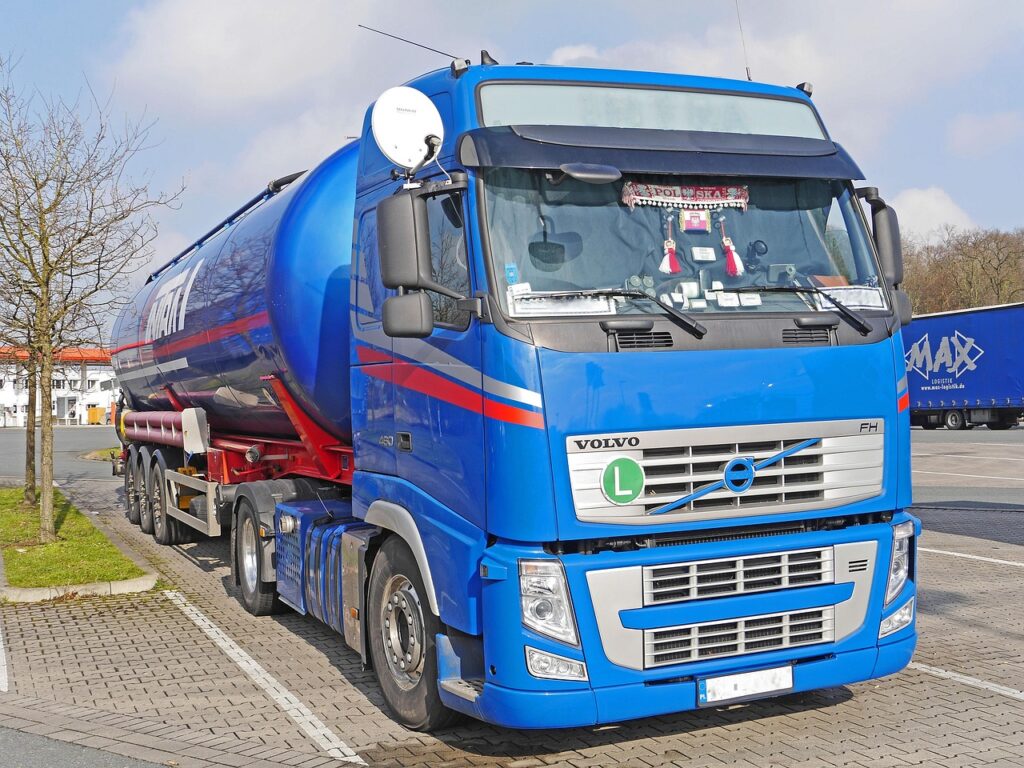
Owning a truck is more than just having a powerful vehicle; it’s about reliability, efficiency, and protecting your investment. Whether you’re a weekend warrior hauling gear for outdoor adventures or a professional relying on your truck for daily operations, understanding the ins and outs of truck ownership is essential. This guide covers key aspects like maintenance, safety practices, and insurance options, including commercial truck insurance for business users. By following these insights, you’ll maximize your truck’s lifespan, minimize downtime, and ensure peace of mind on the road.
Essential Maintenance for Longevity
Regular maintenance is the backbone of truck ownership. Trucks face harsher conditions than sedans, from heavy loads to rough terrains, so proactive care prevents breakdowns and extends vehicle life. Start with the basics and build a routine.
- Oil and Fluid Checks: Change oil every 5,000-10,000 miles based on your manual. Monitor coolant, transmission, and brake fluids to avoid overheating or system failures.
- Tire Care: Rotate tires every 6,000 miles, check pressure monthly, and inspect for wear. Proper alignment saves fuel and prevents accidents.
- Battery and Electrical: Test the battery annually, especially in extreme weather. Clean terminals and ensure alternator function for reliable starts.
- Engine Tune-Ups: Replace air filters, spark plugs, and belts as needed to maintain performance and efficiency.
Implementing these habits can reduce repair costs by up to 50%, according to industry experts. For diesel trucks, additional focus on fuel filters and exhaust systems is crucial to comply with emissions standards.
Safety Practices Every Truck Owner Should Adopt
Safety isn’t optional—it’s a responsibility. Trucks’ size and weight amplify risks, so adopting best practices protects you, your passengers, and others on the road.
- Pre-Trip Inspections: Before every drive, check lights, brakes, tires, and mirrors. For towing, verify hitch security and load balance.
- Defensive Driving: Maintain safe following distances, especially in bad weather. Use turn signals early and avoid blind spots.
- Tech Aids: Invest in dash cams, blind-spot monitors, and backup cameras to enhance visibility and record incidents.
- Load Management: Never exceed GVWR (Gross Vehicle Weight Rating). Secure cargo to prevent shifts that could cause rollovers.
Statistics show that proper safety measures can cut accident rates by 30%. For off-road enthusiasts, additional gear like recovery straps and winches adds layers of protection during adventures.
Navigating Insurance for Truck Owners
Insurance is a critical safeguard for your truck. Personal use might require standard auto policies, but if your truck supports business activities—like deliveries or contracting—commercial truck insurance becomes indispensable. This specialized coverage handles higher risks associated with commercial operations, including liability for cargo damage or third-party injuries.
- Coverage Types: Liability, collision, comprehensive, and uninsured motorist protection. Add-ons like roadside assistance are valuable for long hauls.
- Factors Affecting Premiums: Driving record, truck value, usage, and location. Shop around for quotes to find competitive rates.
- Commercial vs. Personal: Commercial truck insurance often includes higher limits and covers business-related incidents, unlike personal policies.
- Discounts: Look for safe driver, multi-policy, or anti-theft device discounts to lower costs.
Without adequate insurance, a single accident could devastate finances. For fleet owners, bundling policies can streamline management and reduce expenses.
Cost-Saving Strategies for Truck Owners
Owning a truck can be expensive, but smart strategies keep costs in check without sacrificing quality.
- Fuel Efficiency: Use cruise control, avoid idling, and choose efficient routes. Aerodynamic mods like tonneau covers can boost MPG.
- DIY Repairs: Learn basic fixes like oil changes or filter replacements to save on labor.
- Warranty and Extended Plans: Understand your factory warranty and consider extensions for major components.
- Resale Value: Keep detailed records of maintenance to command higher prices when selling.
These tips not only save money but also enhance your truck’s reliability. Electric and hybrid trucks are emerging options for long-term savings on fuel and maintenance.
Conclusion: Empowering Your Truck Ownership Journey
In summary, effective truck ownership hinges on diligent maintenance, unwavering safety commitment, and robust insurance like commercial truck insurance for business needs. By integrating these elements, you’ll enjoy a dependable vehicle that supports your lifestyle or profession. Stay informed, consult professionals when needed, and drive responsibly. Your truck is an investment—treat it as such for years of rewarding service.